
Cannabis-Infused Cooking at Home
Cooking with cannabis at home can be a creative, rewarding way to personalize your experience. Whether you’re preparing a cozy dinner in Brooklyn, hos...

At Be. NY, we believe in the power of informed choices, and when it comes to managing sleep, anxiety, and pain, cannabis is becoming a trusted option for many New Yorkers. Patients from all walks of life are turning to cannabis not just for recreational moments, but for support with the everyday challenges that impact their well-being.
This guide breaks down what researchers are discovering, what patients are saying, and how our team at Be. NY can help you find a path forward.
Understanding how cannabis works starts with the endocannabinoid system (ECS), a natural, body-wide network that helps regulate essential functions like sleep, stress, mood, appetite, and pain perception. It’s your body’s internal balance system, constantly working behind the scenes to keep you feeling steady and well.
The ECS is made up of three key components:
Cannabis introduces plant-based cannabinoids, like THC, CBD, and CBN, which interact with these same receptors. THC tends to bind with CB1 receptors (often producing euphoric or pain-relieving effects), while CBD and CBN may influence both CB1 and CB2 receptors more gently, potentially helping with inflammation, sleep, or stress relief.
And it doesn’t stop with individual compounds. There’s something called the entourage effect, where cannabinoids and terpenes (the aromatic oils in cannabis) work together to create a broader, more balanced impact than any one compound can offer alone.
That’s part of why full-spectrum products are often preferred by medical patients looking for holistic, longer-lasting relief.
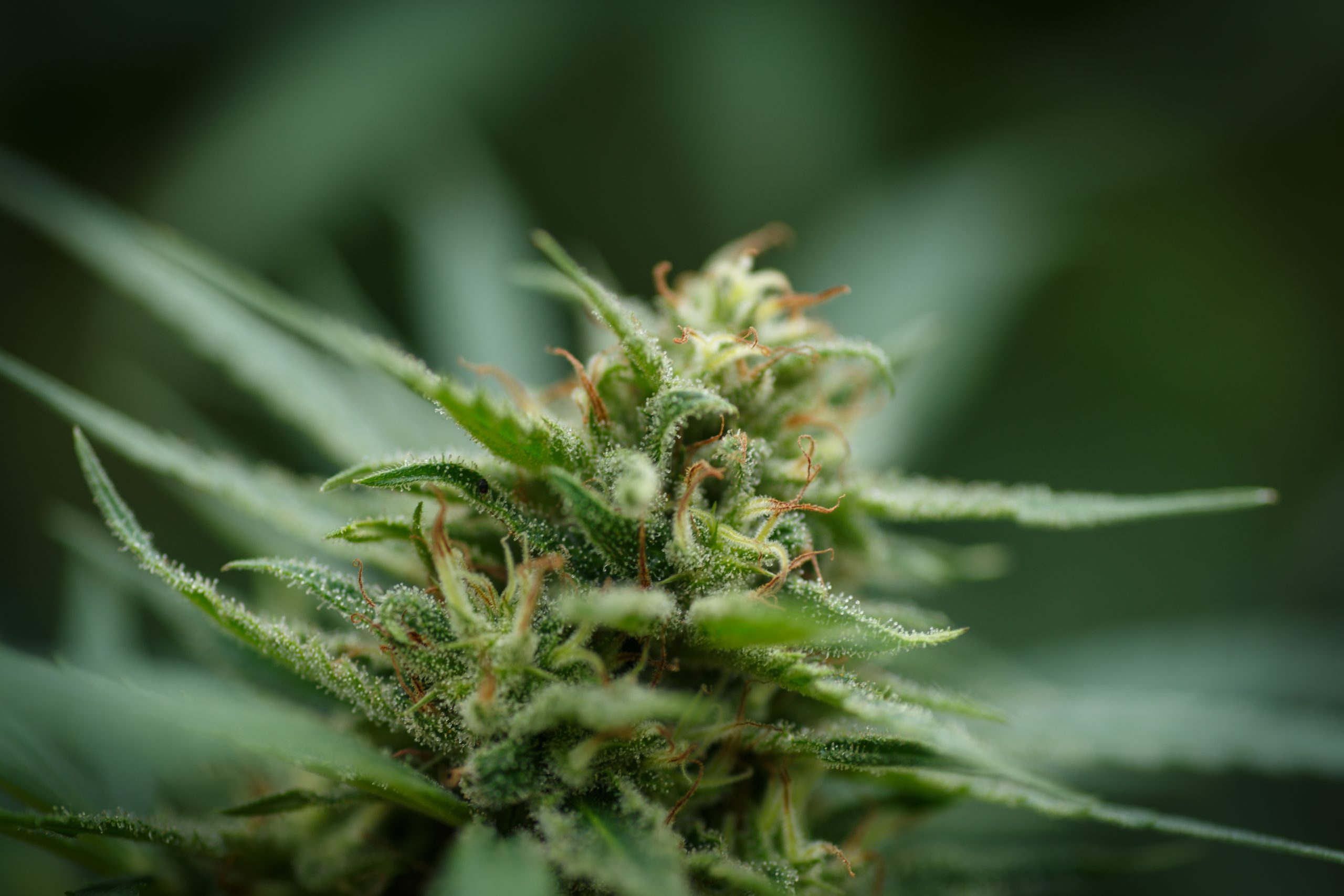
Sleep is essential, but for many of us, it doesn’t come easily. Common challenges like stress, chronic pain, racing thoughts, and insomnia can make it difficult to fall or stay asleep. That’s where cannabis may help, especially when paired with a consistent nighttime routine. Here’s how certain cannabinoids may support sleep:
Together, these compounds may promote better rest through what’s known as the entourage effect, enhancing each other’s impact to support a smoother transition into sleep.
What Patients Are Saying
At Be. NY, we hear from patients who’ve incorporated cannabis into their bedtime routine with encouraging results. Some say it helps them wind down and quiet their mind. Others report more restful nights with fewer interruptions and a smoother morning wake-up.
Navigating anxiety looks different for everyone. For some, it’s a general unease. For others, it’s an intense, disruptive force. If you’re exploring cannabis as a tool to help manage anxiety, it’s important to understand how different cannabinoids and terpenes interact with your body.
The Role of CBD: Calm Without the High
CBD (cannabidiol) is a non-intoxicating cannabinoid widely recognized for its calming and anti-anxiety properties. It doesn’t produce the “high” associated with THC and may help reduce stress by interacting with serotonin and GABA receptors in the brain. Many patients choose CBD products for daytime relief or to maintain a sense of balance throughout the day.
THC and Anxiety: It’s All About the Dose
When it comes to THC, less is often more for anxiety. Low doses of THC may provide gentle relaxation and mood elevation. However, high doses, especially in sensitive individuals, can lead to increased heart rate or racing thoughts. It’s essential to start low and go slow, especially when managing anxiety.
Pro tip from Be.: Look for products that balance CBD and THC to help soften potential intensity while still benefiting from the entourage effect.
Terpenes That Support Calm
Terpenes play a big role in the mood of your cannabis experience. Some to look out for include:
Strains or products that highlight these terpenes are often sought out by patients looking for anxiety relief.
What Patients Are Saying
At Be. NY, our patients tell us about how cannabis has helped calm social anxiety, ease stressful moments, and provide a greater sense of control over their mental wellness.
Still, everyone responds differently, which is why it’s so important to work with knowledgeable guides when finding what works for you.
Pain is one of the most common reasons patients explore medical cannabis. Whether it’s chronic back pain, arthritis, migraines, or nerve discomfort, cannabis may offer a plant-based path toward relief that feels both effective and manageable.
Conditions Where Cannabis May Help
We often hear from patients navigating a wide range of pain-related conditions, including:
These conditions can deeply affect quality of life, and traditional medications sometimes come with side effects or diminishing returns. That’s where cannabis may offer a more natural alternative.
Cannabinoids That Play a Role
Several cannabinoids are associated with pain relief, each working in different ways:
Together, these compounds may engage the body’s endocannabinoid system to modulate pain signals.
What Patients Are Saying
We regularly meet patients who tell us how cannabis has helped them reduce their reliance on opioids, sleep more comfortably, or regain the ability to move more freely.
Personal stories and medical guidance show how individualized and impactful cannabis relief can be.

Symptom management looks different for everyone, and that’s the beauty of cannabis. It’s adaptable, versatile, and rooted in both ancient wisdom and modern science. At Be. NY, we’re here to help you navigate your options, understand how different products may support your goals, and build a wellness plan that meets you where you are.
Stop by a Be. NY dispensary or browse our online menu to discover cannabis products designed for sleep, anxiety, and pain relief. Our pharmacists and budtenders are ready to help you find what works best for you.
The contents of this blog are intended for informational purposes only. Always seek the advice of a physician or other qualified healthcare provider with any questions you may have regarding a medical condition.