
Cannabis-Infused Cooking at Home
Cooking with cannabis at home can be a creative, rewarding way to personalize your experience. Whether you’re preparing a cozy dinner in Brooklyn, hos...

When it comes to purchasing cannabis in New York, taxes play a bigger role than most people realize. For medical patients and recreational consumers, knowing how cannabis is taxed can help you better understand your options and potentially save you some money. Let’s break down how cannabis is taxed in New York and what it means for you as a consumer.
If you’re a certified medical cannabis patient in New York, you’re already familiar with the difference that intentional, personalized care can make. One of the major added benefits is lowered taxes.
As of June 1, 2024, medical cannabis in New York is taxed at a 3.15% excise rate, which is significantly lower than the taxes on adult-use products. This reduced tax rate keeps cannabis accessible for patients who rely on it for relief for chronic pain, anxiety, sleep, or other qualifying conditions.
New York’s adult-use cannabis market is open to anyone 21 and older, and that broader access comes with a higher tax rate.
Recreational cannabis is taxed at 13% which is broken down into:
On top of that, there’s a wholesale tax based on THC content, applied when products move from distributors to retailers. These taxes help fund important statewide initiatives, but they also mean that recreational customers will typically pay more at checkout than medical patients.
If you’re a frequent consumer or using cannabis for ongoing wellness needs, it might be worth exploring whether medical certification makes sense for you. At Be., we’re happy to answer questions and help you weigh your options.

Every time you purchase cannabis in New York, you’re contributing to something bigger. Tax revenue from cannabis sales is reinvested into programs that uplift and support communities across the state.
Medical cannabis taxes help sustain and expand the state’s medical cannabis program, which supports infrastructure, education, and access for patients.
Recreational cannabis taxes are split three ways:
This tax revenue allocation helps New York move forward with equity and care, especially in communities that have been disproportionately affected by past cannabis laws. We’re proud to be a part of a system that’s working toward a more just and inclusive future.
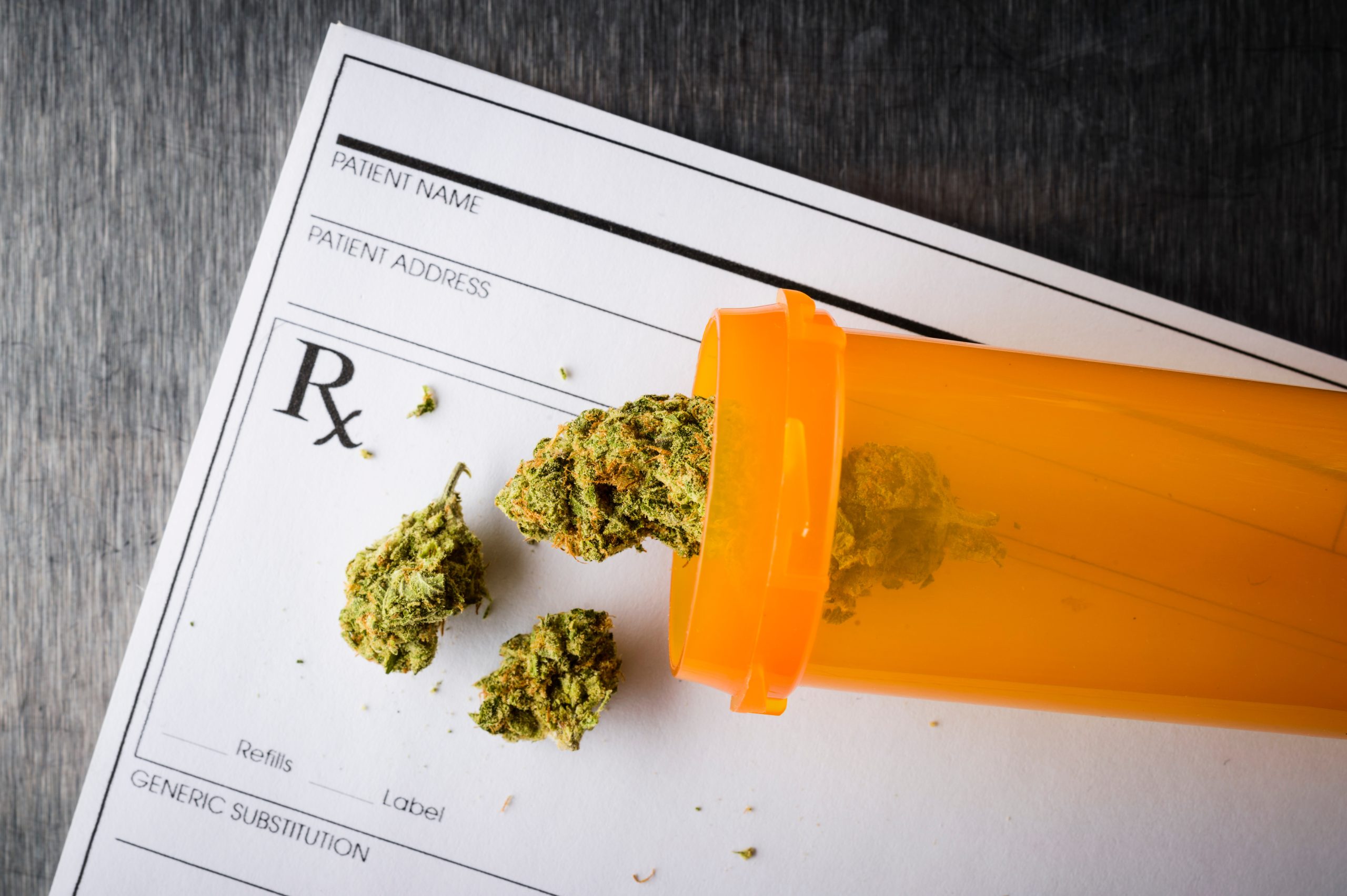
In New York, both medical and recreational cannabis are legal. But which path is best for you comes down to your needs, goals, and how often you consume.
If you’re managing a qualifying health condition, medical cannabis may offer real advantages.
Plus, at Be., our team of pharmacists and trained staff is here to help every step of the way. They’ll guide you through anything, from getting certified to finding what works best for your body.
On the other hand, if you’re consuming cannabis occasionally and recreationally, adult-use can be a great option.
Just keep in mind that you’ll pay more taxes at checkout, and you won’t have the same medical-specific support or product selection.
Not sure where you land? We’re here to talk you through it, judgment-free and focused on what feels right for you.
Knowing about cannabis taxes in New York supports access, equity, and making informed choices that support your wellness. If you’re a medical patient looking for targeted relief or an adult-use consumer exploring what works for you, understanding the state’s tax structure can help you shop smarter and feel more confident in your decisions.
At Be., we’re here to make those decisions easier. Our pharmacists, Dispensary Agents, and support staff are ready to walk you through the process, explain your options, and help you figure out what makes the most sense for your lifestyle.
Have questions about switching to medical? Want to understand more about how taxes affect your purchase? Come visit us at a New York dispensary near you. With locations in Staten Island, Brooklyn, and the Hudson Valley, we’re always just a quick stop away! We’re always here to help you feel informed, supported, and empowered.
The contents of this blog are intended for informational purposes only. Always seek the advice of a physician or other qualified healthcare provider with any questions you may have regarding a medical condition.